Hong Kong Vertigo: A Photographer’s Guide to Urban Density
Hong Kong is a city that doesn't expand outward; it sky-rockets upward. For architectural and street photographers, it is the ultimate concrete playground. The sheer repetition of windows, the geometric symmetry of public housing estates, and the overwhelming scale of human density create a visual rhythm you can't find anywhere else on Earth.
If you want to capture the true, raw essence of Hong Kong’s vertical landscape without getting lost in the concrete jungle, this targeted photography guide is for you.
Part 1: The Iconic High-Density Locations
1. The Symphony of Symmetry: Monster Building (Quarry Bay)
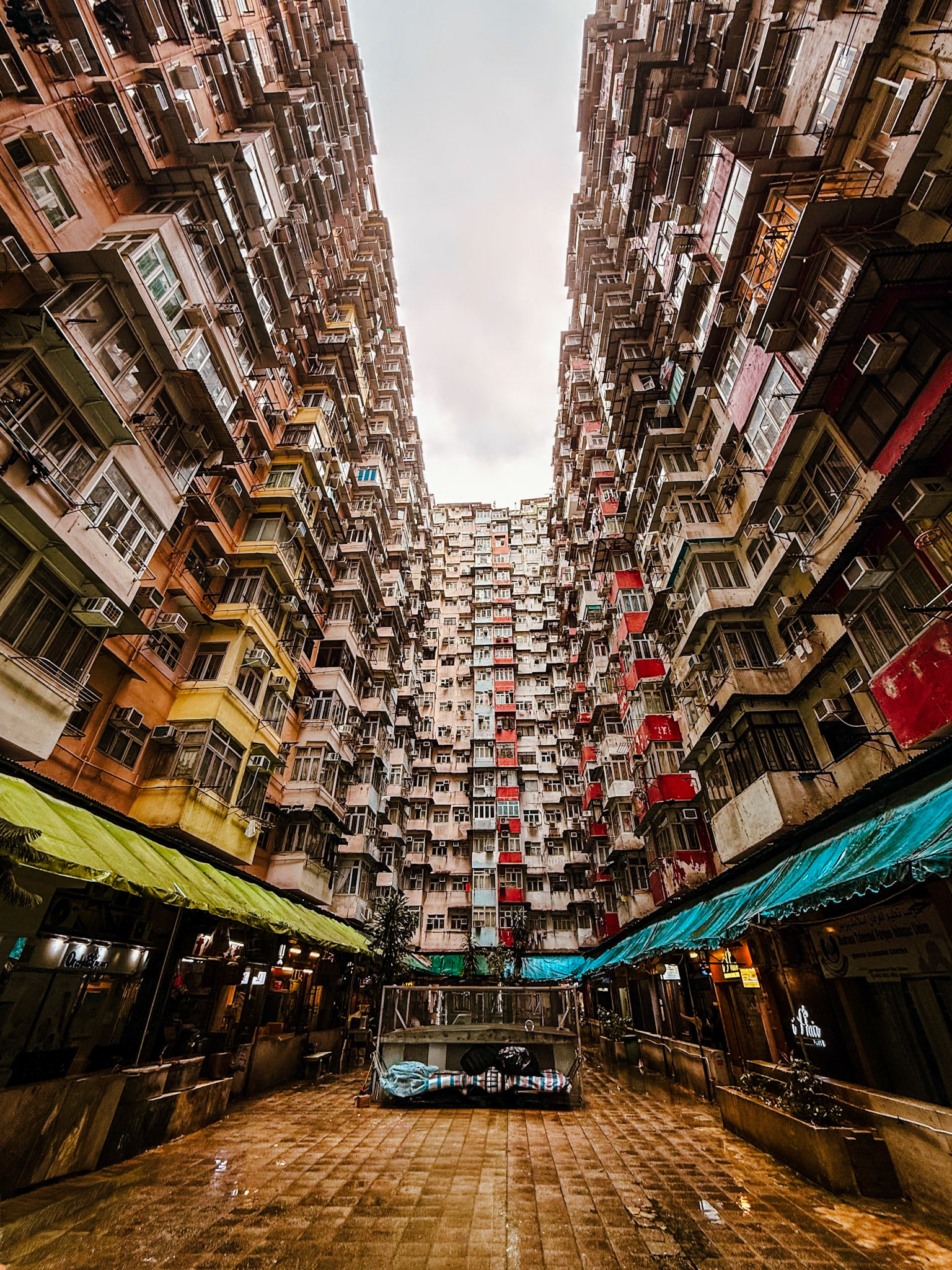
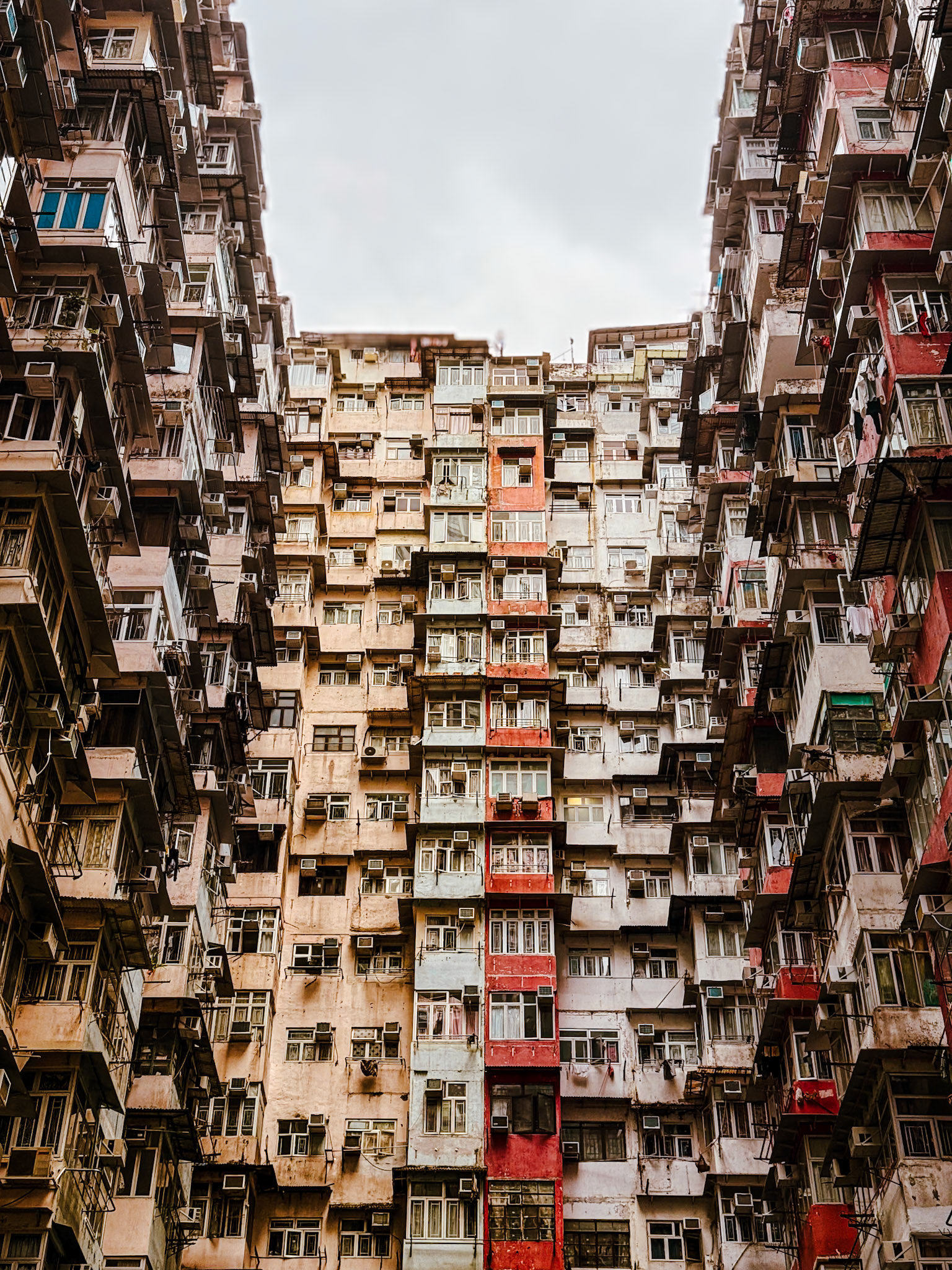
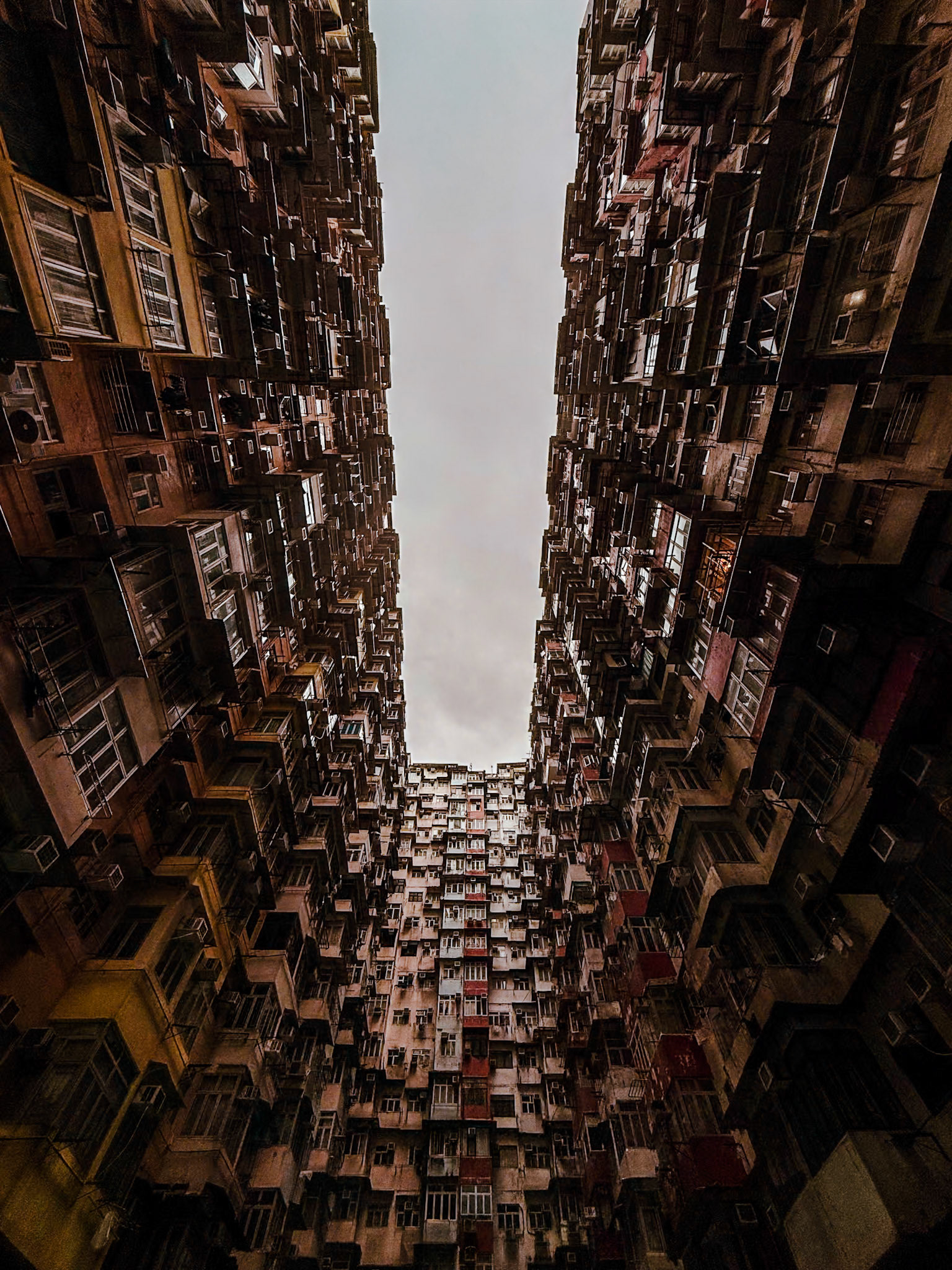
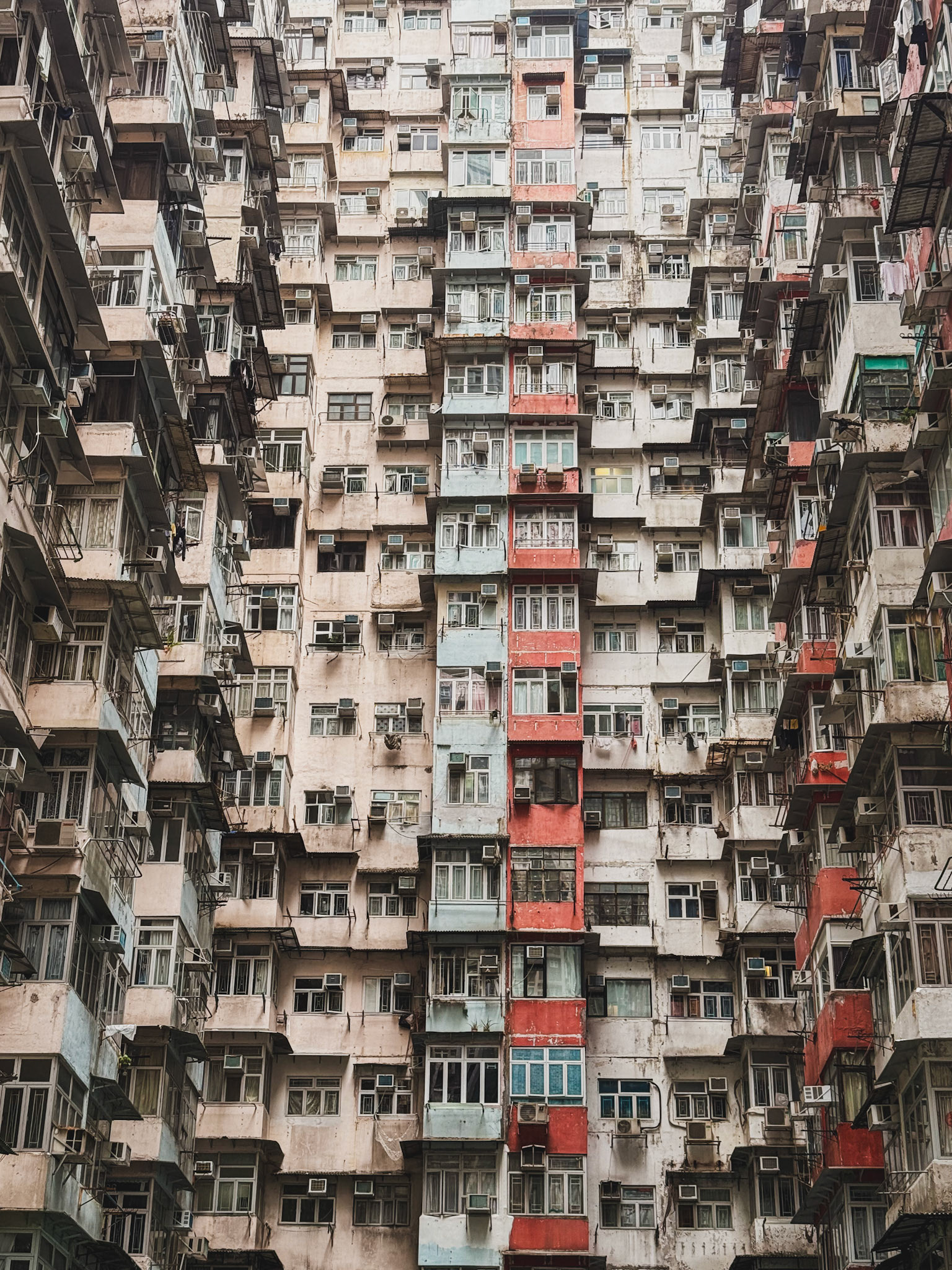
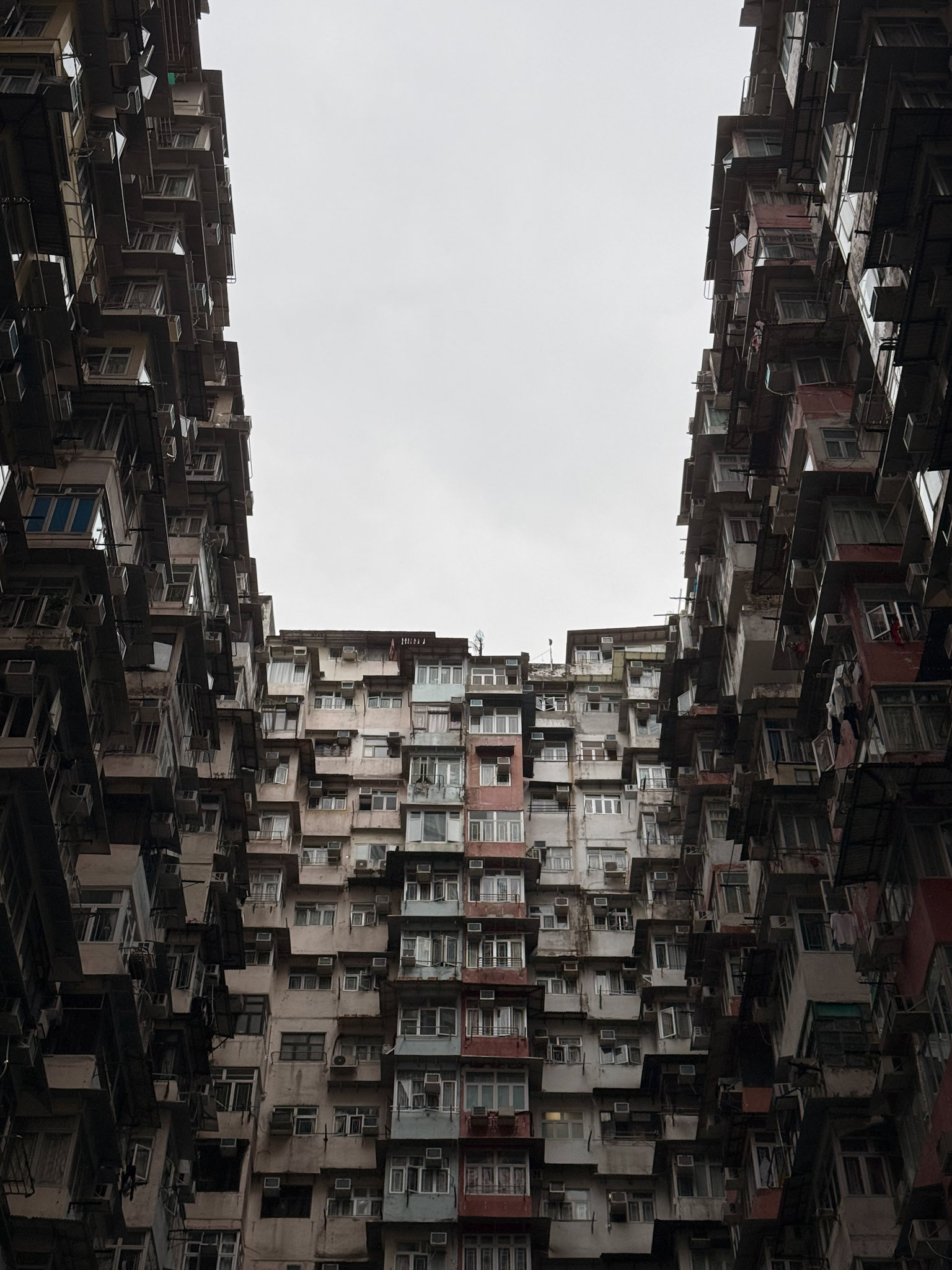
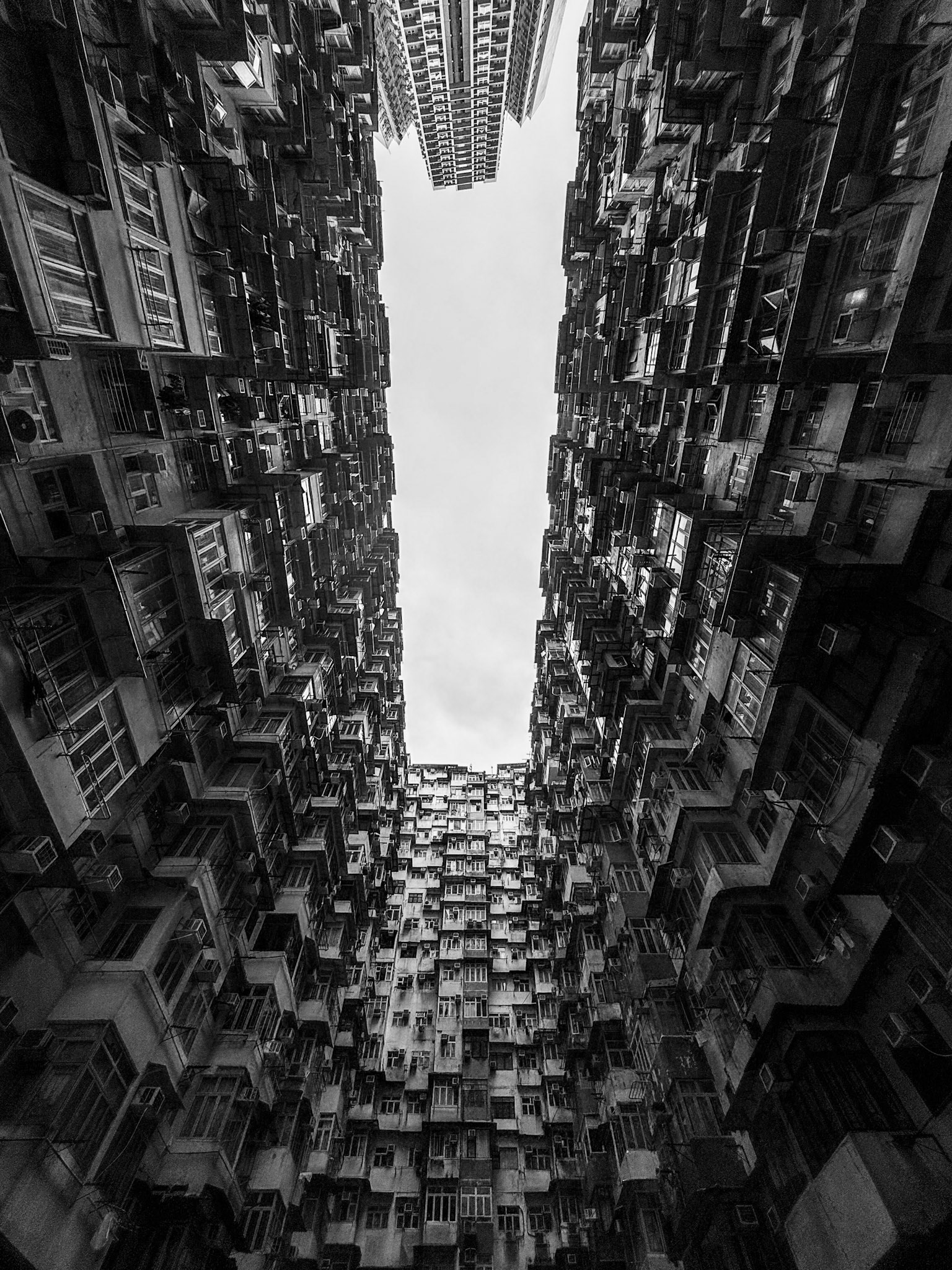
The Yick Cheong Building—locally known as the "Monster Building"—is a massive, interconnected complex of five residential blocks built in the 1970s. Looking up from its narrow central courtyard offers a dizzying perspective of thousands of tiny, multicolored apartments stacked on top of one another, framing a tiny sliver of the sky.
The Shot: Use an ultra-wide lens (anywhere between 12mm to 24mm) and step right into the center of the courtyard. Shoot directly upward to let the towering walls compress the frame, creating a powerful sense of urban claustrophobia.
Pro Tip: Look for the contrast between the worn, historical facade of the older sections and the neon/colored accents of individual air conditioning units. It’s a perfect documentation of Hong Kong’s dense daily life.
2. The Curved Canyons of Public Housing
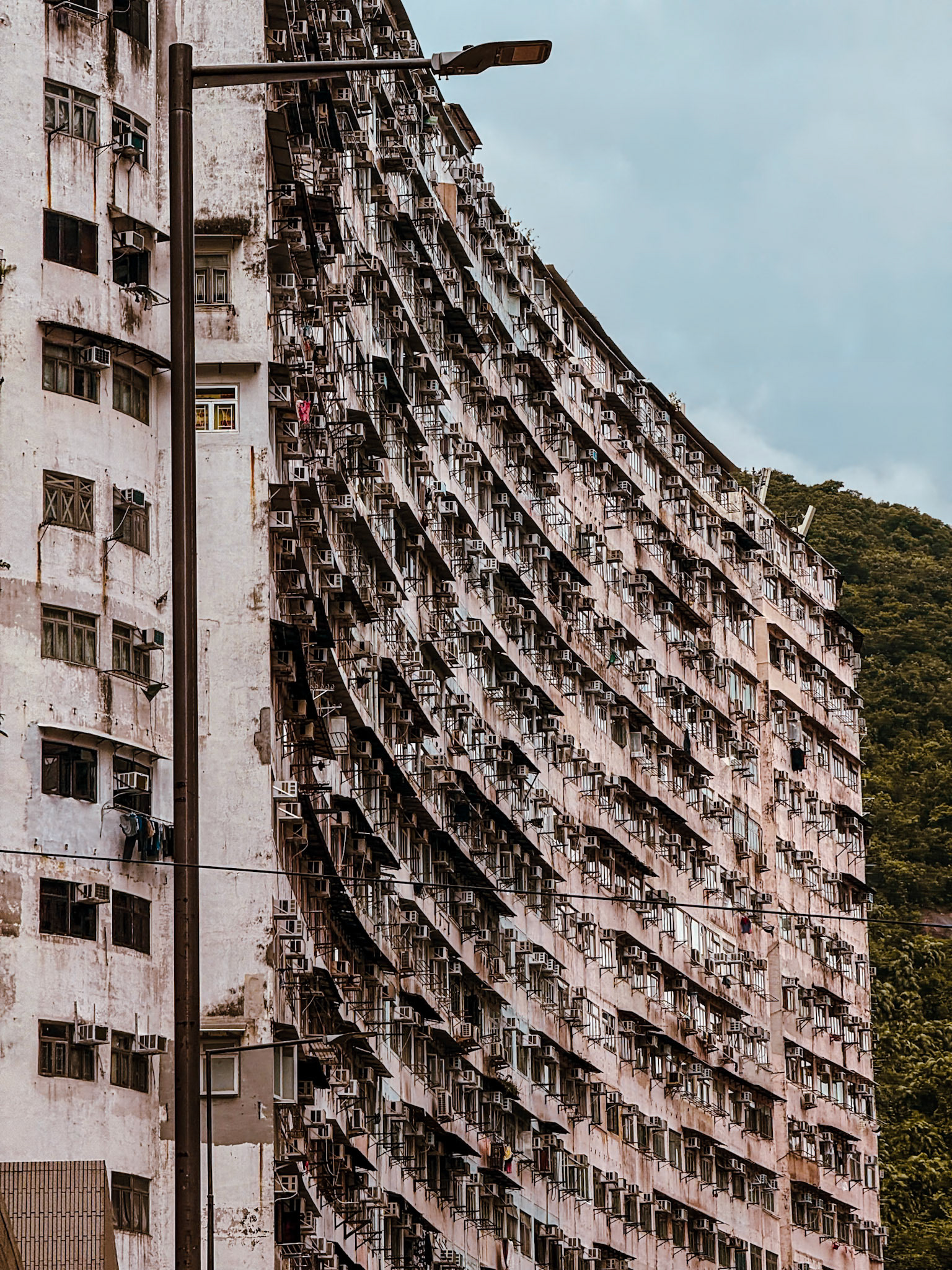
Hong Kong’s older residential districts feature incredible geometric layouts. Some estates are designed with dramatic, sweeping curves that hug the hillsides, creating massive walls of windows that look almost organic from a distance.
The Shot: Stand at the base of these curved structures to capture how the building slices through the sky. The perspective creates a leading line that guides the viewer's eye straight through the patterns of repetition.
Part 2: Framing and Technique for Urban Geometric Series
1. Mastering the Vertical Grid (Symmetry & Balance)
When shooting ultra-dense architecture, keeping your lines straight is everything. Even a slight camera tilt can distort the buildings and ruin the symmetry.
Technique: Turn on your camera’s internal grid overlay. Keep your sensor parallel to the building walls to avoid unwanted perspective distortion, or lean into the distortion completely by pointing the lens dead-center at the sky for a perfect "look-up" shot.
2. Chasing the Moody Overcast Sky
While blue skies are great for landscape, high-density urban photography actually thrives under Hong Kong’s signature overcast or misty weather. A flat, gray sky acts as a massive softbox, cutting harsh shadows and allowing the gritty textures, concrete tones, and faded colors of the buildings to stand out with high contrast.
Part 3: Logistics for Street Creators
Respecting Local Communities: Locations like the Monster Building are active residential spaces where thousands of people live their daily lives. Keep your footprint small, minimize noise, and always look for designated visitor areas to shoot from without disrupting the peace.
Getting Around: The MTR (Mass Transit Railway) is your best friend. To reach the heart of these high-density spots in Quarry Bay or Sham Shui Po, the subway drops you right at the doorstep of these concrete canyons.